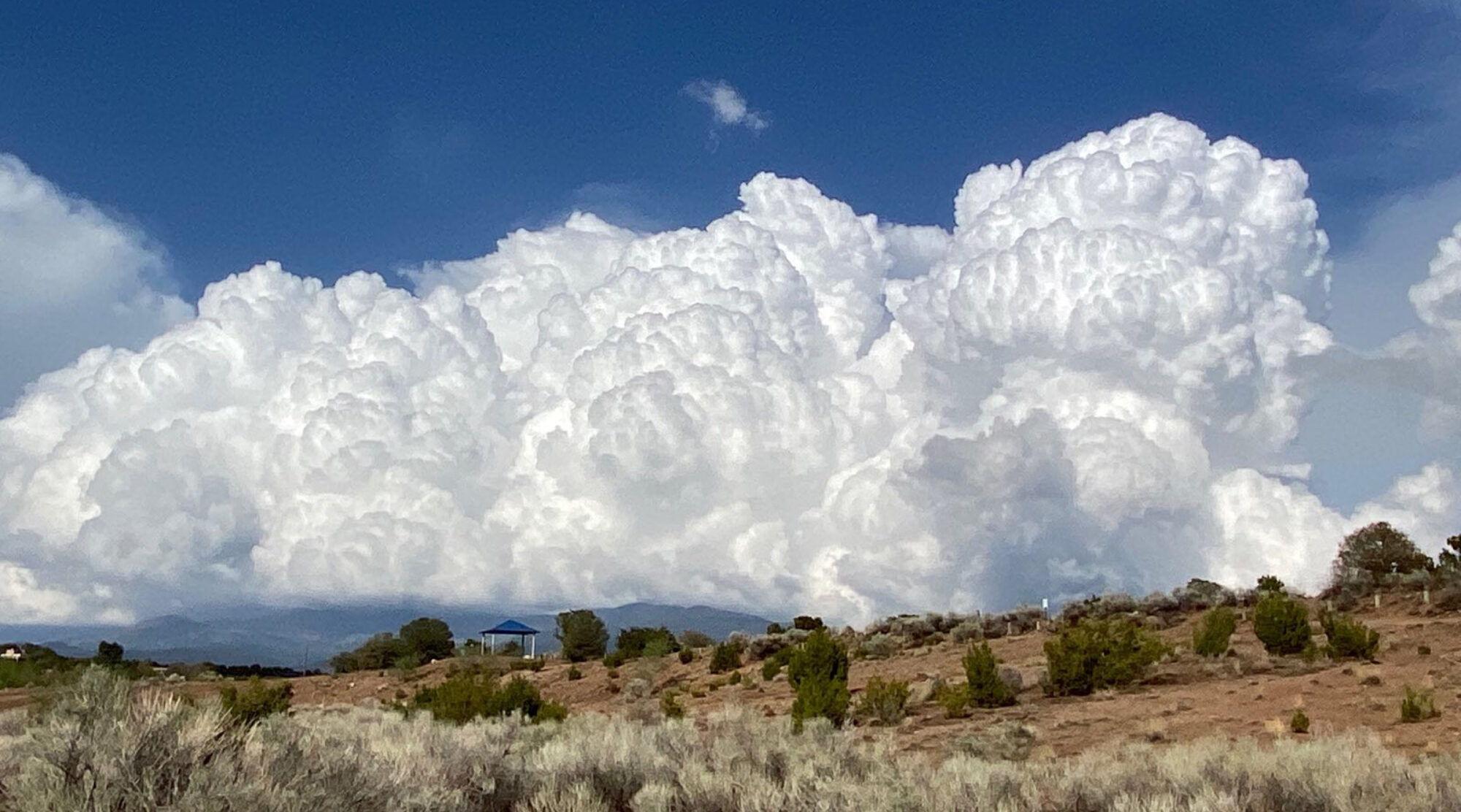

In Santa Fe, where every adobe wall and mountainfeels like a work of art, artists face a unique opportunity, and challenge, to stand out. A well-crafted photograph does more than document your work; it defines your visual identity. When your portfolio is captured with intention, your art travels further, resonates deeper, and positions you as a serious creative professional.
Key Insights
Professional photography strengthens artistic credibility and visibility.
Authentic portraiture helps audiences connect emotionally with the artist.
Curated images drive higher engagement across galleries and social media.
Consistency in style builds long-term recognition and collector trust.
Investing in photography is an investment in your brand narrative.
The Story Behind the Image
Every creator in Santa Fe’s dynamic art scene shares a truth: your work tells a story, but your presentation decides whether it’s heard. Professional photographers understand light, texture, and color theory—the same principles that shape great art. By collaborating with a photographer, you transform how viewers perceive your craft. A painter’s brushstroke, a sculptor’s handprint, a jeweler’s intricate detail, all of these become storytelling moments when captured skillfully.
Before you even greet a gallery curator or collector, your images have already spoken for you.
Visual Consistency Builds Recognition
A professional portfolio thrives on cohesion. Whether your medium is oil, clay, or metal, your photography should echo your aesthetic. One artist’s palette might demand natural desert light, while another’s work might shine under dramatic contrast. Visual unity strengthens recall; people remember you because your imagery feels like your work.
Here are a few ways photographers and artists can collaborate effectively:
Define the emotional tone of your body of work before scheduling a shoot.
Choose lighting and backgrounds that complement your materials and palette.
Incorporate your creative process—the studio, the tools, the textures.
Capture a mix of wide shots, detail macros, and in-context displays.
Keep color correction and composition consistent across all photos.
Even a single off-brand image can fracture audience perception. Professional photography safeguards that harmony.
A Closer Look at Brand Impact
Photography influences multiple aspects of an artist’s professional presence.
Brand Element | Influence of Strong Photography | Typical Outcome |
Portfolio Presentation | Demonstrates craftsmanship and professionalism | Increased gallery interest |
Social Media Presence | Creates scroll-stopping visuals | More engagement and followers |
Online Storefronts | Builds buyer confidence | Higher conversion rates |
Press & Features | Enhances perceived authority | More media placements |
Collector Relations | Strengthens trust and recognition | Repeat sales and commissions |
Each image you share either reinforces or erodes your reputation. High-quality visuals sustain the former.
Craft a Shareable Visual Portfolio
A cohesive portfolio allows you to move fluidly between gallery proposals, client outreach, and online marketing. When your portfolio is well-organized and intentional, it becomes a portable calling card for your brand.
Saving these collections as PDFs makes them easy to email, archive, and print without losing image quality. To simplify this process, you can convert JPG images to PDFs using tools that preserve resolution and layout integrity, an efficient way to turn your photographs into professional-grade presentation files ready for sharing.
How to Build a Personal Brand Through Photography
When artists approach photography strategically, they build something larger than an image library, they build identity. Follow this sequence to align your visuals with your creative vision.
Identify your visual signature: recurring shapes, tones, or materials.
Hire a photographer who understands fine-art documentation, not just portraiture.
Choose consistent settings and lighting environments for all shoots.
Showcase your creative process, not only finished pieces.
Curate images quarterly to reflect your current direction and growth.
Integrate professional headshots that match your portfolio’s tone.
Apply your photos across all platforms: website, press kits, and socials.
A methodical approach ensures that your visual identity grows as steadily as your artistic practice.
Frequently Asked Questions
How often should I update my professional photos?
Refresh your portfolio every 12–18 months or whenever your style shifts significantly. Consistent updates show growth and keep galleries confident that your work remains active and relevant. Outdated imagery can signal creative stagnation or inattention to detail.
What kind of photographer should I hire in Santa Fe?
Seek photographers experienced in fine art documentation rather than general commercial work. They understand museum-quality lighting and archival color accuracy. Ask to review prior art-focused shoots before committing.
Do I need to include myself in the photographs?
Yes, but intentionally. A few authentic portraits in your studio setting build emotional connection with audiences. They help collectors associate the art with the human story behind it.
How can photography help me attract gallery representation?
Professional imagery communicates reliability and market readiness. Galleries often evaluate artists visually before reaching out; clear, consistent photography positions you as a serious, investment-worthy talent.
Can smartphone photography work for professional portfolios?
Modern phones can produce sharp images, but they rarely match the color fidelity or control of professional equipment. Use them for social media updates, but rely on professional setups for exhibitions or portfolio submissions.
Closing Thoughts
Santa Fe’s creative landscape rewards those who see presentation as part of the art itself. Professional photography transforms fleeting moments into lasting impressions—a fusion of craft, narrative, and identity. By aligning your imagery with your artistic voice, you don’t just capture your work; you expand its reach, credibility, and emotional resonance.
Investing in professional photography is not a luxury. For artists building a sustainable career, it’s a foundational act of self-representation.